


The Homrest Essentials
The standard for modern living. Discover our most-wanted pieces for every room and patio.


Homrest 10' x 10' Hardtop Gazebo, Aluminum Frame Gazebos with Galvanized Steel Double Roof
Choose your option


Homrest 10' x 12' Hardtop Gazebo, Aluminum Frame Gazebos with Galvanized Steel Double Roof
Choose your option


HOMREST Cloud Cross Legged Office Chair with Footrest,Leather Big and Tall Executive Ergonomic Chair,155° Reclining Computer Wide Desk Chair, Beige
Choose your option


Homrest 6-Point Massage Heat Ergonomic Reclining Office Chair with Footrest Beige
Choose your option


Homrest 3-Seater Outdoor Porch Swing with Stand, Adjustable Canopy & Backrest, Blue
Choose your option


HOMREST 2 Person Infrared Sauna with Red Light Therapy, Himalayan Salt, Full Spectrum Heating & Chromotherapy
Choose your option


Homrest 2-Person Full Spectrum Infrared Sauna with Red Light Therapy & Bluetooth Speaker
Choose your option
Shop Our Offers
Exclusive savings on our flagship collections. Upgrade your comfort, inside and out.


Shop by Scene
Explore our recommended indoor and outdoor setups and bring your favorite style home.


Example product title
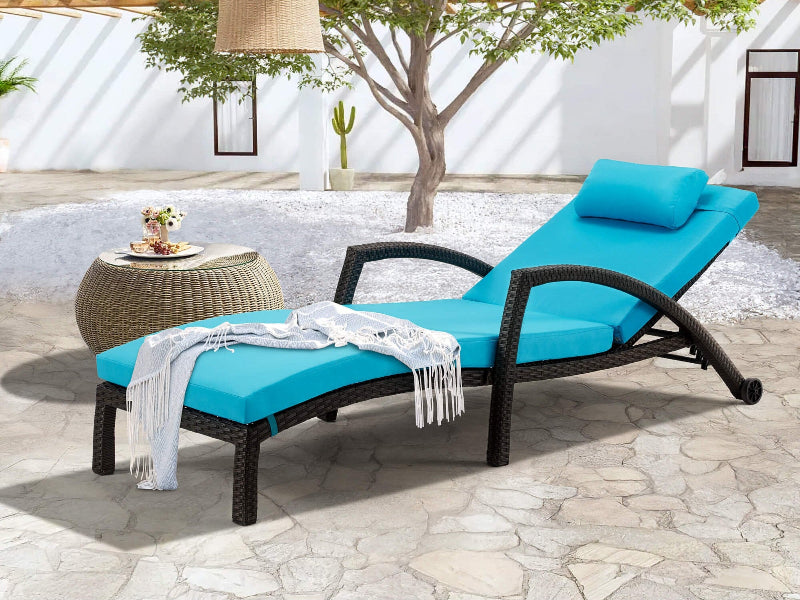


HOMREST Chaise Lounge Chairs Set of 2 for Outside, PE Rattan Wicker Patio Pool Lounge Chair
Choose your option


Homrest Patio Replacement Cushions for 6-Seat Patio Conversation Sets, Blue
Choose your option


HOMREST 15ft Large Double-Sided Patio Umbrella with Solar LED Lights, Outdoor Crank System, and Base – Perfect for Garden, Deck, Poolside, Navy
Choose your option
Why They Love Homrest
Buyer Show

Shop this look

Homrest 10' x 12' Hardtop Gazebo, Aluminum Frame Gazebos with Galvanized Steel Double Roof

Homrest 10' x 12' Hardtop Gazebo Outdoor Double Iron Roof with Curtains and Netting

HOMREST 7-Piece Outdoor Wicker Patio Set with Swivel Chairs, Ottoman & Coffee Table, Beige

Shop this look

HOMREST Patio Wicker Swivel Chair Set of 2, Heavy Duty Outdoor Dining Chair with 23.5'' High Back, Extra-Large Water-Fall Seat, Gentle Rocker

HOMREST Patio Wicker Swivel Chair Set of 4, Heavy Duty Outdoor Dining Chair with 23.5'' High Back, Extra-Large Water-Fall Seat, Gentle Rocker

Shop this look

3-Seater Patio Porch Swing Bed with Cup Holders and Cushions, Beige

3-Seater Patio Swing Bed with Cup Holders and Cushions , Gray

Shop this look

Homrest Power Lift Recliner Chair for Elderly with Massage & Heat, Beige White

Dual Motor Lift Chair Recliners for Elderly, Fabric Electric Power Lift Recliner Chair Sofa with Side Pocket & Remote Control, Brown

Electric Power Lift Chair Recliner Sofa for Elderly with Vibration Massage & Lumbar Heated, 2 Side Pockets & Cup Holders(Grey Blue)

Electric Power Lift Recliner Chair Recliner Sofa for Elderly, Microfiber Recliner Chair with Heated Vibration Massage, 2 Side Pockets and USB Ports, Beige

Shop this look

HOMREST 20x40ft Party Tent Outdoor Wedding Tent Heavy Duty Large Canopy Carport With Removable Sidewalls 2 Roll Up Doors 5 Storage Bags White

HOMREST 20x20 Ft Heavy Duty Party Tent Gazebo For Events Weddings BBQs Removable Sidewall Windows Storage Bags Included White

HOMREST 20x30ft Party Tent Outdoor Wedding Tent Heavy Duty Peaked Frame Canopy With Fire Retardant PVC Top 100 Person For Event Commercials White
Styled by Creators
See how our favorite tastemakers are bringing Homrest comfort to life, inside and out.


@Betweendecor_and_sprinkles


@dary_rem


@thezarajway


@aksana.yusupova


@joyfulfamusa
Blog

What Is the Best Material for Outdoor Furniture?
Choosing outdoor furniture means balancing appearance, durability, and upkeep. The frame, finish, and local weather all affect how well a set performs on your patio. When planning your outdoor furniture and patio space, consider the conditions your furniture will face throughout the year. So, what is the best material for outdoor furniture? Aluminum is lightweight and resists red rust, steel offers strength, PE wicker creates a woven finish, and wood adds natural warmth. Your climate, available space, and willingness to maintain the furniture will help determine the right fit. Comparing Four Common Outdoor Furniture Materials Aluminum: Lightweight and Rust-Resistant Aluminum is a popular frame material for patio chairs, tables, sofas, and conversation sets. It is easy to move and does not develop red rust like steel. Powder-coated finishes also offer a range of colors to suit modern patios and backyard seating areas. For homeowners who want aluminum outdoor furniture that is easy to rearrange and clean, this material is worth considering. However, coatings can scratch, and screws or other hardware may corrode in salty air. Lightweight chairs may also shift during strong winds, so exposed decks need stable designs or a suitable way to secure furniture. If you're furnishing a modern backyard or patio, the Homrest 4-Piece Metal Patio Conversation Set is one option to consider. Check the frame details, finish-care instructions, and warranty before purchasing. If your home is near the coast, plan to rinse away salt deposits and inspect the joints regularly. Aluminum suits homeowners who value easy handling and simple cleaning. For an exposed, windy terrace, look closely at the furniture's weight and base design before choosing a lightweight set Steel: Strong and Stable Steel furniture provides a solid feel and a sturdy frame. Its weight can help chairs, benches, and dining sets stay in place during ordinary weather. It is a good option for homeowners who prefer substantial furniture that will not need to be moved often. Rust is the main concern. When a protective coating becomes scratched or worn, moisture can reach the steel. Rust may then develop around joints, welds, screws, and exposed edges. A durable exterior coating helps, but its performance depends on the quality of the rust protection and how well the metal is covered. Steel can work well on sheltered patios and in inland areas. Coastal buyers should check the protection used on the frame, the type of hardware, and the manufacturer's cleaning instructions. Poorly protected steel may need more frequent inspection in salty or humid conditions. Choose steel if strength and a solid feel matter most. If you live beside the ocean and prefer minimal upkeep, compare the coating specifications carefully before committing to a steel frame. PE Wicker: Style and Everyday Comfort PE wicker is synthetic resin woven into a rattan-like pattern. It gives sofas and chairs a textured finish without using natural rattan. Many outdoor sets pair the weave with a metal frame and removable cushions. Sunlight can fade or weaken lower-quality resin, so look for PE wicker designed for outdoor use with stated UV resistance. The frame also matters: a wicker set may use steel underneath, which still needs rust protection. In humid weather, water trapped beneath cushions or inside tight weave patterns can lead to mold and damage. For a relaxed seating area on a covered patio, consider the Homrest 4-Piece Outdoor Wicker Patio Conversation Set. After rain, let cushions dry fully and clear leaves or dirt from the weave. For an uncovered space with intense sun or frequent heavy rain, confirm that the product is suitable for those conditions. PE wicker works well for homeowners who want a woven look and cushioned seating. If the furniture will sit in direct sun all day, prioritize UV-resistant resin and check whether the cushions need to be stored during wet weather. Wood: Natural and Traditional Wood brings warmth to decks, gardens, and patios. Its natural appearance pairs well with greenery and traditional home styles. Durability varies by wood species, construction, and the finish used to protect the surface. Moisture can cause wood to swell, shrink, crack, or change color. Exterior oils and sealants can reduce damage, but they need periodic care. Good drainage and airflow also help prevent water from collecting around joints and unfinished surfaces. In dry inland areas, moisture-related problems may be less common, although strong sunlight can still fade the finish. In humid regions or places with freezing winters, inspect the furniture regularly and follow the manufacturer's advice on sealing and storage. Water trapped in joints can freeze and worsen existing cracks. Wood suits homeowners who value natural style and are willing to maintain it. If you want furniture that needs very little seasonal care, compare the upkeep requirements with those of coated metal options before deciding. Aluminum vs. Steel: Which Works Better Outdoors? Aluminum and steel are both common frame materials, but they suit different needs. Aluminum is lighter and resists red rust, while steel is generally heavier and offers a solid structure. Feature Aluminum Steel Weight Lightweight and easy to move Usually heavier and more solid Rust resistance Does not develop red rust, but finishes and hardware can deteriorate Can rust when moisture reaches exposed metal Stability Lightweight designs may need securing in windy areas Weight can help stability but does not guarantee wind resistance Maintenance Clean regularly and inspect finishes and fasteners Inspect for rust, scratches, and damaged coatings Coastal suitability Needs a durable exterior coating and rust-resistant hardware Needs reliable rust protection and well-protected joints For coastal patios, ask about metal preparation, coating coverage around welds and cut edges, and the materials used for screws and other hardware. Salt-spray tests, including ASTM B117 and ISO 9227, can help compare coatings under specific test conditions. These results do not guarantee a precise number of years outdoors. For inland patios with little salt exposure, ease of movement, stability, and cleaning may matter more. Compare the complete frame and finish rather than relying on the material label alone. How Climate Affects Your Choice The same patio set can face very different conditions depending on where you live. Consider your local weather and the main risks before choosing a material. Coastal areas: Salt deposits can damage coatings and cause corrosion around joints and screws. Aluminum with a suitable exterior finish and rust-resistant hardware is worth considering. Steel can also work with documented rust protection, but exposed metal and fasteners need regular inspection. Consider a home on the Pacific coast, where a patio set may be exposed to sea spray throughout the year. An aluminum frame with a suitable coating and rust-resistant hardware can reduce rust concerns, but regular rinsing is still important. Rinse exposed metal with fresh water every 1–2 weeks during regular salt exposure, and inspect joints and fasteners monthly. Even furniture designed for outdoor use needs attention when exposed to salt air. Hot, humid regions: UV exposure can fade resin, while moisture trapped beneath cushions or inside woven surfaces can lead to mold. Look for UV-resistant PE wicker, coated metal, or well-maintained wood. Good drainage, clean woven surfaces, and fully dried cushions help reduce damage. Areas with freezing winters: Water trapped inside joints can freeze and worsen existing cracks. Choose furniture with sound construction and water-shedding joints. Remove standing water, store removable parts in a dry, well-aired space, and inspect the furniture in spring. Windy lakefront or high-altitude areas: Strong gusts can shift chairs and blow cushions away. Choose stable frames with suitable weight and secure bases. Check anchoring instructions and secure or store loose items before storms. Outdoor Furniture Care and Buying Checklist Routine care helps catch small problems before they spread. Clean furniture with mild soap and water, avoid abrasive tools that can damage finishes, and inspect joints, fasteners, and feet after severe weather. Cleaning frequency should match local exposure: Coastal areas: Rinse metal frames with fresh water every 1–2 weeks during regular salt exposure. Inspect joints and fasteners monthly. Dry inland regions: Monthly cleaning is a reasonable starting point, with extra checks after dust storms or heavy pollen. Areas with freezing winters: Inspect furniture before winter and again in spring. Remove standing water and store removable parts in a dry, well-aired space. Cushions need separate care. Water-resistant fabric can still absorb moisture, so let cushions dry fully before storing them. Use a soft brush or cloth to remove dirt from PE wicker, maintain wood finishes according to the manufacturer's schedule, and repair damaged steel coatings with a compatible exterior product. Before buying, check these details: Frame construction: Confirm the frame material, joint design, weight capacity, and drainage points. Finish and weather protection: Look for exterior-rated coatings and available rust-resistance or UV test information. Coastal buyers should check metal preparation, coating coverage, and hardware. Cushions and fabric: Review UV resistance, water resistance, removable covers, and cleaning instructions. Local climate: Prioritize rust protection near the coast, UV resistance and drainage in hot, humid regions, water-shedding joints in freezing climates, and stable designs in exposed locations. Warranty and replacement parts: Check weather-related exclusions and whether replacement cushions or hardware are available. Treat claims of “100% maintenance-free” outdoor furniture with caution. Salt air, sunlight, moisture, and freezing temperatures can affect even well-made products. Low maintenance is a realistic goal; zero maintenance is not. Find the Right Material for Your Patio Choose aluminum if you want a lightweight frame that resists red rust, steel if you prefer a solid structure, PE wicker for a woven seating area, or wood for a natural finish that you are willing to maintain. Check whether the construction, finish, and care requirements suit your local weather. Explore the Homrest Patio Furniture Collection to compare available designs and specifications for your outdoor furniture and patio space.
Read more
Best 3-Seat Outdoor Porch Swings for 2026: Comfort & Style
A 3-seat outdoor porch swing gives two or three people a comfortable place to sit without taking up the space of a full outdoor sofa. It can work on a porch, patio, deck, or in a backyard. The right swing depends on more than seating capacity. Size, weight rating, materials, cushions, suspension, and weather exposure all affect daily use. A standard swing is designed mainly for sitting, while a deeper daybed-style swing can support reclining and lying down. Southern Living’s 2026 porch swing review considered comfort, durability, maintenance, dimensions, weight, and swing type. Its testing included wood, wicker, and recycled-plastic models. (Southern Living) For more styles and sizes, the Homrest outdoor porch swing collection includes three-seat models with adjustable canopies, cushions, and reclining backrests. Best 3-Seat Outdoor Porch Swing for Everyday Seating A three-seat swing works well when two or three people need to share one outdoor seating area. It can provide a spot for coffee, reading, conversation, or relaxing without filling the entire patio with furniture. What Makes a Comfortable Outdoor Porch Swing? Start with the actual seat size and weight capacity. A “three-seat” label does not mean every swing offers the same amount of space or support. Current products show a wide range. Southern Living’s tested Polywood Vineyard Porch Swing has a 55-inch seat and a 500-pound capacity. Other three-person swings currently listed by Lowe’s range from 529 to 1,000 pounds, while one Home Depot model is rated for 440 pounds. (Southern Living) Cushions, back support, armrests, and a stable swinging motion also affect comfort. Removable cushions are useful for cleaning, but water-resistant does not automatically mean waterproof. Unless the manufacturer states otherwise, cushions should be protected from prolonged rain and allowed to dry before storage. For example, a current Homrest three-seat swing has a 660-pound capacity, an adjustable canopy, removable cushions, and a backrest that can lie flat. (Homrest) The main specifications to check are: Feature Why It Matters 3-person seating Shared outdoor seating 660-lb capacity Supports multiple users Adjustable canopy Flexible sun protection Lie-flat backrest Sitting or reclining Removable cushions Easier cleaning Foldable side tables Convenient for drinks and small items These specifications describe one Homrest model rather than every three-seat swing on the market. Why Choose a 3-Seat Swing? A 3-seat outdoor porch swing is useful when you want shared seating without adding a complete sofa set. It works well for: Two adults who want extra room Two adults and a child Casual conversations Reading or drinking coffee Adding seating beside existing patio furniture The swing can also complement other outdoor seating instead of replacing it. A sofa or dining set can serve larger groups, while the swing creates a separate place to sit and move gently. Outdoor Porch Swing Chair vs. Daybed Swing The main difference between these designs is how much room they provide for the body. An outdoor porch swing chair is mainly for sitting, while a daybed-style swing provides more space for reclining. Outdoor Porch Swing Chair An outdoor porch swing chair is a practical option for everyday sitting. It usually requires less space and fits smaller porches, patios, and backyard corners. It works well for: Morning coffee Reading Conversations Watching the garden Casual outdoor seating If the swing is part of a larger outdoor living space, check that it does not interfere with nearby furniture or walking paths. Daybed Swing A daybed swing, also called an outdoor porch bed swing, is designed for longer periods of relaxation. Its deeper seat or reclining structure gives users more room to stretch out. Southern Living’s Polywood Vineyard Daybed Swing measures 82.6 × 27.8 × 44.5 inches, weighs 165 pounds, has a 750-pound capacity, and seats three people. Its twin-sized base allows users to sit or lie down. (Southern Living) A daybed swing often has a higher weight rating because its larger frame distributes the load across a wider and deeper surface. That does not mean every daybed swing has a higher capacity, so always check the manufacturer’s specification. When lying flat, avoid aggressive swinging. The center of gravity changes with body position, and the swing should be used according to the manufacturer’s instructions. What to Look for in a 3-Seat Outdoor Porch Swing Before buying a 3-seat outdoor porch swing, check the specifications and installation requirements. Size and Weight Capacity Southern Living notes that porch swings are commonly around 4 to 5 feet long, with depths ranging from about 18 to 46 inches depending on the design. (Southern Living) Measure the available space before ordering. Check the swing’s width, depth, height, and total weight capacity. Leave reasonable capacity margin rather than planning to use the product at its maximum rating. Also consider the supporting structure. A hanging swing transfers its load to the porch structure, while a stand-alone model transfers the load through its frame to the ground. Wood, Metal, or HDPE? Each material has different advantages. Wood provides a traditional appearance. Pressure-treated pine and eucalyptus are common options, but wood may require more maintenance depending on the species, finish, and weather exposure. Metal provides a strong frame and is common on three-seat swings. Powder-coated finishes can help protect against outdoor exposure, but scratches or damaged coatings should be addressed to reduce corrosion risk. HDPE is a low-maintenance synthetic material. Southern Living found that its tested HDPE swing resisted splintering, peeling, and warping during outdoor use. It can cost more than some basic metal or wood options, and the tested model did not include a cushion. (Southern Living) Hanging or Stand-Alone? Hanging swings save floor space and offer a traditional porch-swing setup, but they require suitable structural support and proper hardware. Stand-alone swings come with their own frame and are easier to position. The trade-off is a larger footprint. For a balcony, do not assume that the floor can support the combined weight of the swing, frame, users, cushions, and other furniture. The building’s allowable load should be confirmed separately from the product’s own weight rating. For hanging installations, Southern Living recommends checking the supporting joists and allowing sufficient space for the swing to move. Its installation guidance recommends about 3 to 4 feet of clearance in front of and behind the swing. (Southern Living) Where to Use a 3-Seat Outdoor Porch Swing Porch and Patio A covered porch is a natural location for a three-seat swing. It provides a dedicated place for coffee, reading, or conversation. On a patio, position the swing away from main walkways. A stand-alone model can sit beside a sofa or dining set, while a hanging model needs a suitable overhead support point. An outdoor porch swing chair works well where space is limited. A deeper daybed design needs more room around the frame. For a larger outdoor setup, a swing can also be combined with other outdoor furniture to create separate seating and relaxation areas. Backyard and Garden A swing can also create a separate relaxation area near a garden, lawn, or shaded corner. For a simple sitting area, an outdoor porch swing chair is usually sufficient. If the main goal is stretching out or napping, an outdoor porch bed swing offers more usable space. When placing any swing outdoors, consider direct sun, rain, wind, drainage, and access. A canopy provides shade but should not be treated as a fully weatherproof enclosure. Conclusion Choosing a three-seat porch swing comes down to space, capacity, material, installation, and intended use. An outdoor porch swing chair is suited to everyday sitting and conversation. A daybed-style swing provides more room for reclining but requires a larger footprint and careful attention to its weight rating and suspension. Wood offers a traditional look, metal provides a common structural option, and HDPE can reduce concerns about rot, splintering, and frequent refinishing. Hanging models save floor space but depend on suitable structural support, while stand-alone models are easier to position but occupy more ground area. Homrest is one example in the current three-seat category. Its models combine features such as a 660-pound capacity, adjustable canopy, removable cushions, and reclining backrests, depending on the model. Other retailers and brands offer different materials, dimensions, capacities, and designs, so the final choice should be based on the space and how the swing will actually be used.
Read more
How to Choose the Best Reclining Office Chair for Work and Relaxation
Looking for the best reclining office chair? Compare recline angles, footrests, lumbar support, and key features before you buy.
Read more